
Distributed SQL vs. NewSQL
In this post, we compare distributed SQL databases against NewSQL databases to better understand their differences and know when you should use either.
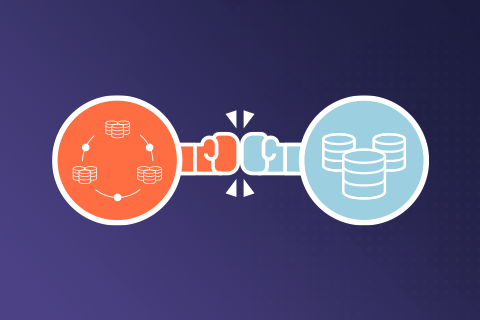


In this post, we compare distributed SQL databases against NewSQL databases to better understand their differences and know when you should use either.
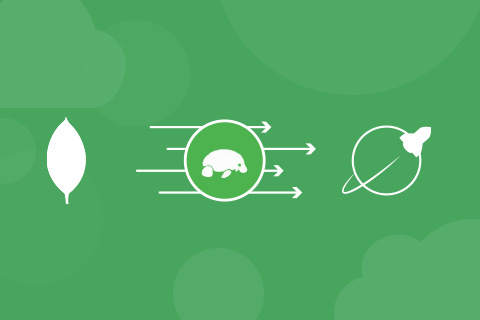
Data migration can be a complex and time-consuming task, but proper planning can help streamline the process. In this blog, we’ll demonstrate how to migrate a Sakila demo database from MongoDB to a YugabyteDB cluster using Studio 3T, highlighting the key steps and considerations involved in the process.
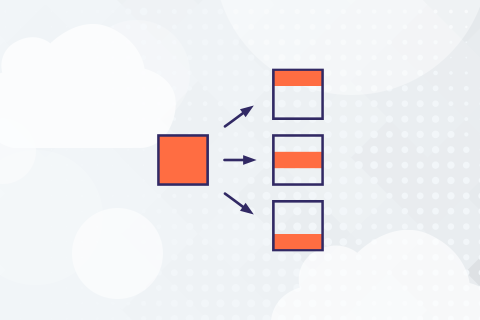
A distributed SQL database needs to automatically partition the data in a table and distribute it across nodes. This is known as data sharding and it can be achieved through different strategies, each with its own tradeoffs. In this post, we will examine various data sharding strategies for a distributed SQL database, analyze the tradeoffs, explain the rationale for which of these strategies YugabyteDB supports and what we picked as the default sharding strategy.
…

If you’re a database developer, you know the time saving value of being able to visually design, document and query SQL and NoSQL databases from a single UI. DbSchema is a well-rounded, visual database tool that supports over 40 databases from a single interface. Because YugabyteDB is PostgreSQL compatible, getting DBSchema to work with a distributed SQL database is relatively simple.
What’s YugabyteDB? It is an open source, high-performance distributed SQL database built on a scalable and fault-tolerant design inspired by Google Spanner.
…
We are pleased to announce that YugabyteDB 2.0.7 is live! You can read the official release notes of this and previous versions here. This release is shipping with almost 30 new enhancements and bug fixes.
What’s YugabyteDB? It is an open source, high-performance distributed SQL database built on a scalable and fault-tolerant design inspired by Google Spanner. Yugabyte’s SQL API (YSQL) is PostgreSQL wire compatible
…

YugabyteDB and Kubernetes have very complementary design principles because they both rely on an extensible and flexible API layer, as well as a scale-out architecture for performance and availability. In this blog post we’ll look at best practices and recommendations when choosing Kubernetes as the cluster foundation for a distributed SQL system. This will begin with a review of relevant architectural decisions of the YugabyteDB. Then we’ll walk you through how to handle the provisioning,
…
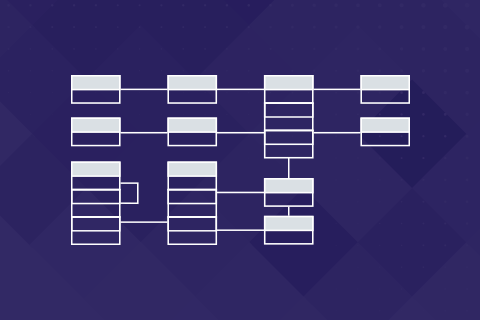
In this post we are going to walk you through how to download and install the PostgreSQL version of the Chinook sample DB on the YugabyteDB distributed SQL database with a replication factor of 3.
What’s YugabyteDB? It’s a high performance distributed SQL database for global, internet-scale apps. YugabyteDB is a PostgreSQL-compatible database. Similar to Google Spanner, YugabyteDB gives you all the scalability characteristics of NoSQL, without sacrificing the ACID transactions or strong consistency you are accustomed to with PostgreSQL.
…

We are pleased to announce that YugabyteDB 1.3.0 is live! You can read the release notes of this and previous versions here. This release is shipping with 24 new features, enhancements and bug fixes. Beyond enhancements and fixes, the other big news is that we have open sourced the entire core database code! This means that previously closed features like distributed backups, data encryption and replicas are now open sourced. This also means that upcoming features like change data capture and 2 datacenter deployments will open source as well.
…

Walk you through how to download and install the PostgreSQL-compatible version of Northwind on the YugabyteDB distributed SQL database.

We are excited to announce that YugabyteDB is now 100% open source under the Apache 2.0 license. This means previously closed-source, commercial, enterprise features such as Distributed Backups, Data Encryption, and Read Replicas are now available in the open source project and are completely free to use. The same applies to upcoming new features like Change Data Capture and 2 Data Center Deployments. The result of this change is that we no longer have a Community Edition and an Enterprise Edition of YugabyteDB.
…